From roofing to building
solutions
How Safal Group is evolving its organisation and leadership to support a strategic shift

Safal Group is building on a decades-long legacy as a leading roofing manufacturer across East and Southern Africa, while preparing the organisation for a different competitive reality. As market expectations shifted, competition intensified, and margins tightened, the Board and CEO Anders Lindgren set a clear ambition: evolve from a roofing-focused business into an integrated building solutions group.
A strong legacy, facing a new future
For decades, Safal Group built a leading position as a roofing manufacturer across East and Southern Africa. Its coated steel products have protected millions of homes and businesses, and its brands earned deep market trust. This success created scale, operational discipline, and a resilient core business.
As markets evolved, however, new pressures emerged. Competition increased, customer expectations shifted, and margins tightened. In response, a new strategic ambition emerged: to evolve from a roofing-focused company into an integrated building solutions group. They recognised that achieving this shift would require more than a new strategy. It would require an organisation able to move faster, make clearer decisions, and support innovation alongside operational excellence.
When strategy moves faster than the organisation
Safal’s strategic direction was clear, but the organisation had been shaped for a different era.
Across several business units, there were up to eight reporting layers. Decision-making slowed as issues travelled up and down the hierarchy, and accountability was often unclear. Many roles were heavily focused on execution, which made it harder to build the leadership and coordination capacity needed for a more complex and diversified business.
Over time, this created tension. Leaders spent too much energy negotiating ownership instead of acting. Some roles became overloaded, while others were not fully utilised.
Safal’s culture already had strong foundations of collaboration and long-term commitment. But the next phase of growth required sharper accountability, clearer decision ownership, and a stronger balance between execution and innovation.

A different question
Rather than approaching this as a traditional restructuring exercise, Safal chose to reframe the challenge.
The question became: How can organisation, leadership, and culture evolve together so the business can execute its future direction?
How can organisation, leadership, and culture evolve together so the business can execute its future direction?
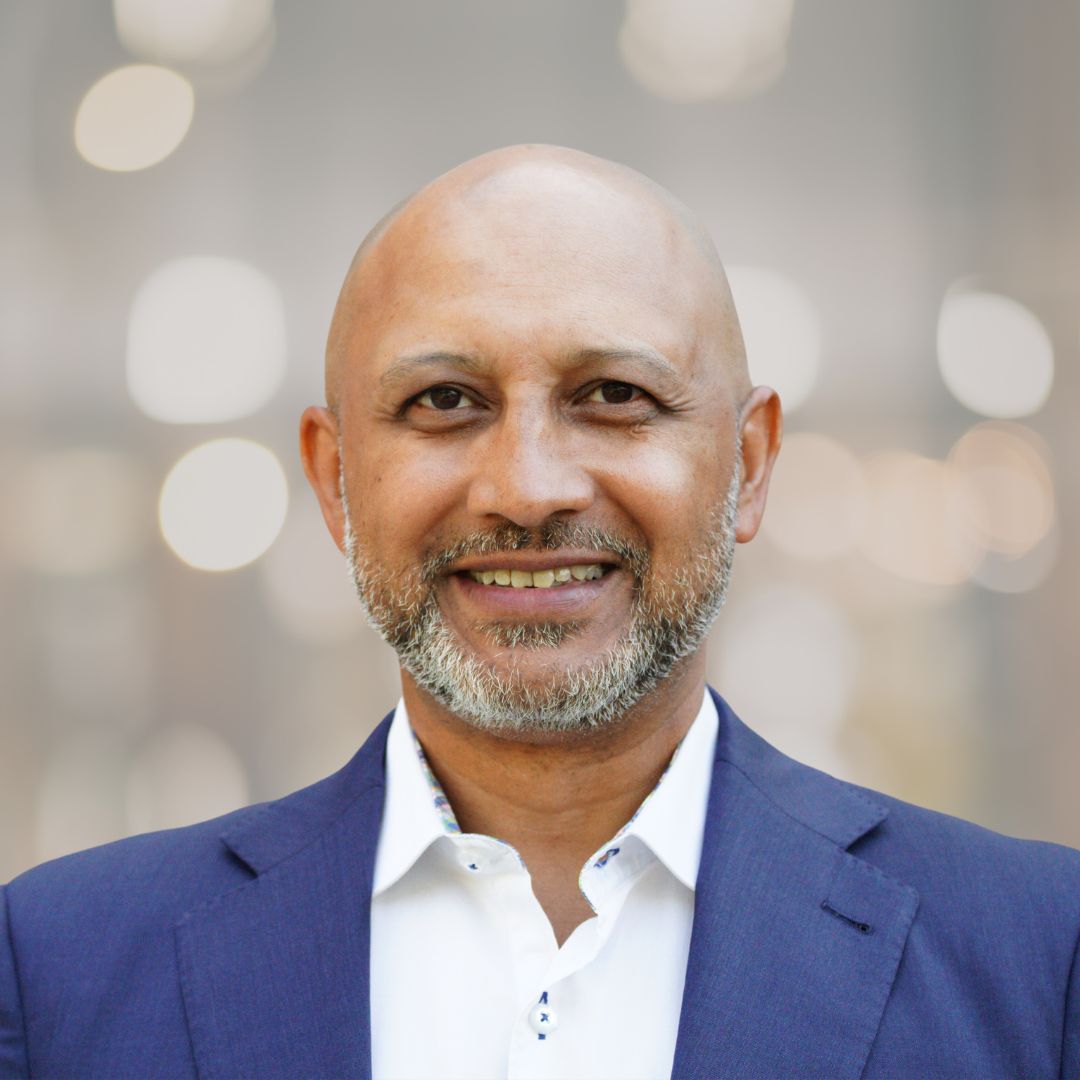
Safal partnered with VALPEO, with Pratik Chandaria leading the engagement. From the outset, the focus was on gaining clarity about how the organisation really worked — and where it was being constrained.
Together, the teams explored:
- Where decisions slowed down
- Where roles lacked clear ownership
- Where leadership capacity did not match the scope and impact of the work
At the same time, leadership capability, behavioural tendencies, and values were examined in relation to future business demands. This created a shared understanding of what needed to change and where the greatest leverage points sat.
Redesign how value flows through the organisation
Based on these insights, Safal and VALPEO began to co-design a new organisational and leadership model.
The work went beyond adjusting reporting lines or titles. Instead, it focused on how value moves through the organisation:
- How are decisions made?
- Who carries accountability?
- Where leadership capacity is most needed?
This created a clearer foundation for reshaping structure, leadership responsibilities, and people systems in a coherent way — aligned to Safal’s future strategy rather than its past operating model.

What is changing
As the new organisational model has taken shape, several important shifts are underway.
Management layers have been reduced and reporting lines clarified. This is enabling faster decision-making and clearer ownership of outcomes. Roles are being defined with more distinct mandates and managerial contribution, reducing overlap and internal negotiation.
At the leadership level, responsibilities are being realigned so that the most experienced leaders focus on the most complex and cross-business decisions. This is helping to ease overload in critical roles and strengthen contribution where it matters most.
Alongside this, Safal has brought in key new leaders at critical points in the organisation, ensuring that leadership capacity is aligned with the complexity and value-creation demands of the evolving business model.
Cultural drivers are also being reinforced. Safal is encouraging leaders to blend empathy with accountability and to promote initiative rather than compliance.
In parallel, key people systems are being updated. Succession planning, performance management, and recruitment are being reshaped to support future requirements rather than reinforce legacy structures. Organisational design and leadership development are increasingly reinforcing one another.
What this enables for Safal
Safal’s choices are creating an organisation that is better aligned to its strategic direction.
Rather than dismantling what made the business successful, Safal is adjusting how leadership, structure, and accountability work together so the company can move faster and scale beyond roofing.
This alignment is not about correcting failure. It is about strengthening Safal’s ability to adapt, decide, and grow as markets evolve — providing a stronger platform for expanding building solutions while continuing to build on the core business.
This case reflects an ongoing transformation journey. The emphasis is on the organisational and leadership foundations being established to support Safal’s strategic evolution.